A Brief History of Waste Management: How We Went from Dustbins to Sustainable Recycling
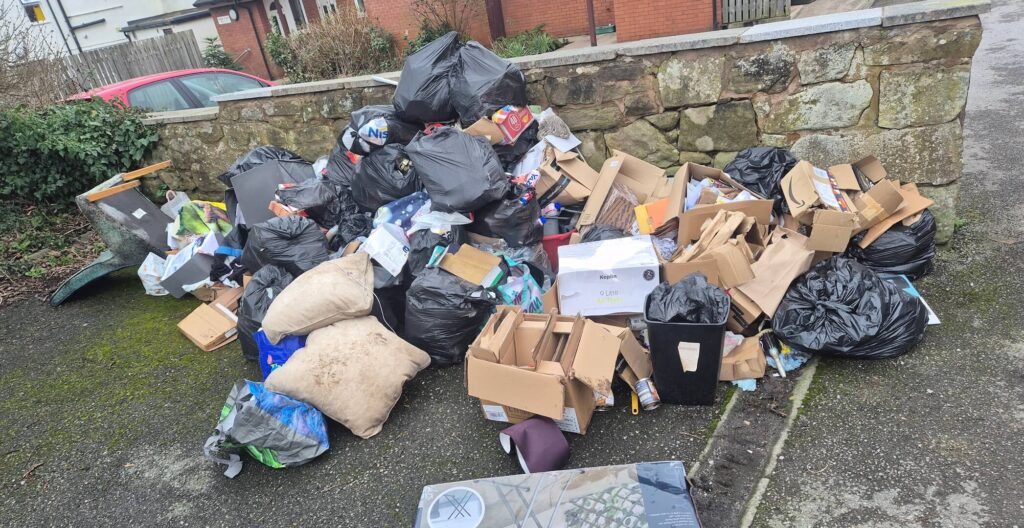
If we’re honest, waste management is something most of us don’t tend to think about. We put our rubbish out for collection, recycle what we can, and trust that everything is dealt with responsibly. Yet the systems we rely on today have taken hundreds of years to develop, evolving alongside growing populations, new technologies, and a much greater awareness of the impact we have on the environment.
From simple beginnings where almost nothing was wasted to today’s sophisticated recycling facilities, the story of waste management is closely linked to the way society has changed. Looking back at its history shows just how far we’ve come, and why responsible waste disposal has never been more important.
Waste in the Early Days
For much of human history, waste simply wasn’t the problem it is today. Communities were small, populations were low, and people owned far fewer possessions than we do now. Most everyday items were made from natural materials such as wood, stone, leather, and clay, which eventually broke down naturally without causing lasting harm to the environment.
Food waste was minimal because resources were valuable and nothing was thrown away unnecessarily. Household fires produced ash that could often be reused, while tools, clothing, and furniture were repaired repeatedly or passed from one generation to the next rather than being discarded.
Because so little waste was produced, nature was able to absorb it without difficulty. There was no need for organised rubbish collections because the volume of refuse simply wasn’t significant enough to create widespread health or environmental problems.
Industrialisation Changed Everything
The Industrial Revolution transformed Britain in many different ways, one of which was how much waste people produced. As factories expanded and employment opportunities grew, thousands of people moved into rapidly developing towns and cities. Populations increased dramatically, and as a result public services struggled to keep pace.
Without organised waste removals, household rubbish was frequently dumped in the streets or left in open spaces. Combined with poor sanitation, this created unpleasant living conditions and allowed disease to spread more easily. Growing piles of refuse became a serious public health concern rather than simply an inconvenience.
One of the earliest people to recognise this problem was Corbyn Morris, a customs official during the mid-eighteenth century. He argued that keeping London’s streets clean should become a public responsibility because the health of the population depended upon it. While his ideas were forward-thinking, meaningful action would take many more decades.
The Birth of Modern Waste Collection
It wasn’t until the nineteenth century that there was a significant change in attitude towards waste. As outbreaks of diseases such as cholera devastated towns and cities, it became increasingly clear that poor sanitation was costing lives.
A major turning point came in 1842 when social reformer Edwin Chadwick published his influential report, The Sanitary Condition of the Labouring Population. His research highlighted the direct connection between waste, poor sanitation, and public health, helping persuade lawmakers that proper refuse collection was essential rather than optional.
This eventually led to the Nuisance Removal and Disease Prevention Act of 1846, one of the first pieces of legislation aimed at improving waste management. Further progress followed with the Public Health Act of 1875, which required households to place their weekly rubbish into a movable container ready for collection. In many ways, this was the birth of the modern dustbin and the organised waste collection services we recognise today.
From Horse and Cart to Modern Collection Vehicles
Early refuse collection looked very different from today’s waste removal services. The first collections were carried out using horse-drawn carts with open backs, making the work slow, dirty, and physically demanding.
As technology developed, steam-powered vehicles gradually replaced horses towards the end of the nineteenth century. Over time these evolved into motorised refuse trucks fitted with mechanical loading systems, making collections faster, safer, and far more efficient.
Perhaps the biggest advancement came with the introduction of hydraulic compaction systems. These allowed far more waste to be loaded into each vehicle, reducing the number of journeys required and making large-scale waste collection practical for growing towns and cities. Although the technology has improved considerably over the years, hydraulic systems remain at the heart of modern refuse vehicles today.
Landfill, Incineration and the Environmental Challenge
As Britain’s population continued to grow throughout the twentieth century, so did the amount of waste being produced. New methods of disposal became necessary.
One of the earliest solutions was incineration. Nottingham became home to one of the UK’s first municipal incinerators, but these early facilities generated significant amounts of smoke and airborne ash, which unsurprisingly made them unpopular with local communities.
Landfill soon became the preferred option because it offered a relatively inexpensive way to dispose of huge quantities of rubbish. Old quarries, mines, and excavated land provided convenient locations where waste could simply be buried.
While landfill solved one problem, it created others. Poorly managed sites attracted rats, birds, and other vermin, while rainwater filtering through waste had the potential to contaminate surrounding land and groundwater. Modern landfill sites are now carefully engineered with protective liners, drainage systems, and daily covering of waste to reduce these risks, but landfill is increasingly viewed as a last resort rather than the ideal solution.
Waste Management Today
Today’s waste management industry looks very different from that of even a few decades ago. Rather than simply disposing of rubbish, the focus has shifted towards recovering value from waste wherever possible.
Materials such as paper, cardboard, glass, plastics, wood, and metals can now be recycled and turned into new products, reducing the need to extract fresh natural resources. Organic waste can be composted or processed into renewable energy, while some non-recyclable materials can be converted into electricity through carefully controlled energy recovery facilities.
This shift towards a circular economy means waste is increasingly viewed as a resource rather than something to simply throw away. Every item that is repaired, reused, recycled, or recovered helps reduce landfill and lowering the impact modern life has on the environment.
The Future of Responsible Waste Removal
As environmental awareness continues to grow, responsible waste management has become more important than ever. Individuals, businesses, and waste removal companies all have a role to play in reducing unnecessary waste and making better use of valuable materials.
At Apex Waste Removals, we are proud to support this approach by ensuring that as much of the waste we collect as possible is recycled or reused through licensed waste transfer and recycling facilities. By diverting waste away from landfill wherever possible, we help customers dispose of unwanted items responsibly while reducing the impact on the environment.
Waste management has come a long way from the days of horse-drawn carts and overflowing city streets. Thanks to advances in legislation, technology, and recycling, today’s waste removal services are cleaner, safer, and far more sustainable. As we continue to look for better ways to reduce waste and protect the environment, every responsible collection helps contribute to a cleaner future for generations to come.